Have you ever wondered how creators on Roblox make their games look so unique and vibrant? Decals are a huge part of that magic! These powerful little image assets allow you to bring custom textures, artwork, and branding directly into your Roblox experiences. From adding a gritty texture to a spaceship wall to displaying an intricate logo on a storefront, understanding decals is key for any aspiring Roblox developer or builder. This comprehensive guide will walk you through everything you need to know about creating, uploading, and effectively using decals within the Roblox platform. We will cover popular trending methods and tips for maximizing your visual impact. Whether you are a beginner looking to add simple flair or an experienced builder aiming for intricate detail, mastering decals opens up a world of creative possibilities for your Roblox projects. Discover why decals are essential for visual storytelling and how they can elevate your game's aesthetic appeal in the ever-evolving Roblox universe.
Hey there, fellow Roblox creator! Ever felt a bit lost trying to make your game look super cool and unique? "Decals Roblox" is one of those topics that can feel a bit mysterious at first, but trust me, it's one of the most powerful tools in your arsenal for visual magic. This isn't just some dry technical guide; think of it as your friendly, ultimate living FAQ, completely updated for the latest Roblox patches and trends. We're going to dive deep into everything from the absolute basics to those sneaky tips and tricks that'll make your builds truly shine. So grab a coffee, get comfy, and let's unravel the secrets of decals together!
Beginner Questions about Roblox Decals
Q: What exactly is a Decal in Roblox and what is it used for?
A: A Decal in Roblox is essentially a custom image that you can upload and apply to the surface of any part within your game. Think of it like a digital sticker or a painting you can put on a wall, a floor, or even a character model. It's used to add unique textures, logos, signs, artwork, and visual details that aren't available in Roblox's default material library. This allows creators to personalize their games significantly, making them more visually engaging and distinct. Decals are fundamental for branding, storytelling, and enhancing overall game aesthetics.
Q: How do I upload an image to create a Decal on Roblox?
A: To upload an image for a Decal, you first need a suitable image file (like a PNG or JPG) saved on your computer. Then, go to the Roblox website, click on the "Create" tab, and select "Decals" from the left-hand menu. You'll find an "Upload Image" button there. Click it, select your image, give it a descriptive name, and then hit "Upload." Roblox will then process it for moderation, which can take a little while. Once approved, you'll get an Asset ID you can use in Roblox Studio.
Q: Why is my Decal not showing up in Roblox Studio after I uploaded it?
A: I get why this is super frustrating! If your decal isn't appearing, the most common reason is that it hasn't finished Roblox's moderation process yet, or it was rejected. Always check the "Create" page on the Roblox website to see its status. Another common mistake is pasting the Asset ID into the wrong property or applying it to the wrong "Face" of a part. Ensure you've inserted a "Decal" object into your part and pasted the ID into its "Texture" property, adjusting the "Face" as needed. You'll get it!
Q: Can I use transparent images for my Roblox Decals?
A: Absolutely, and you should! Using transparent images, typically in PNG format, is a fantastic way to make your decals look more professional and integrated. With transparency, only the visible parts of your image will appear, allowing the underlying part's color or texture to show through. This is perfect for logos, intricate patterns, or custom text that shouldn't have a solid background. It helps avoid blocky, unnatural edges, making your builds much smoother and more polished.
Builds & Classes Questions about Roblox Decals
Q: What are some creative ways to use Decals to enhance my game builds?
A: Decals are incredibly versatile for enhancing builds! You can use them to add realistic textures like rust, grime, or intricate carvings to surfaces. Think about custom signage for shops, unique UI elements on control panels, or detailed artwork for murals and posters. They're great for creating faux shadows or lighting effects, adding depth to flat surfaces. For character customization, decals can add unique face details, tattoos, or clothing patterns. The possibilities are truly endless, limited only by your imagination and your graphic design skills. Try experimenting!
Q: How can Decals be used effectively for branding within a Roblox game?
A: Decals are paramount for branding in Roblox. They allow you to incorporate your game's logo, team branding, or even sponsor advertisements directly into the environment. You can place logos on buildings, vehicles, uniforms, or title screens to create a consistent visual identity. This helps your game stand out and become recognizable, fostering a stronger connection with your player base. Use them strategically on key elements to reinforce your brand without being overly intrusive. It makes your game feel professional and established, like a real brand.
Tips & Tricks for Roblox Decals
Q: What are some tips for optimizing Decal usage for better game performance?
A: To keep your game running smoothly, aim for efficiency with decals. Use appropriately sized images; a 512x512 or 1024x1024 resolution is often sufficient and avoids unnecessary file size. Consider combining multiple small images into a larger "texture atlas" decal if they're used close together, reducing render calls. Don't overuse high-resolution decals on tiny, distant objects. And importantly, remove any unused decals from your game; every asset adds to memory load. A little planning goes a long way here for a lag-free experience!
Q: How do I make my Decals blend more seamlessly with existing Roblox textures?
A: This one used to trip me up too! To blend decals seamlessly, start with transparent PNGs to avoid harsh edges. Design your decal with colors and stylistic elements that complement the existing Roblox textures in your build. Sometimes, slightly desaturating your decal's colors can help it look less "pasted on." Experiment with the part's material (e.g., "SmoothPlastic" or "Fabric") it's applied to, as this affects how light interacts with the decal. You can even use very subtle, semi-transparent overlay decals to add a touch of grime or wear, making elements look more aged and natural. Practice and observation are key!
Q: Are there any tricks for creating dynamic or animated Decals in Roblox?
A: While decals themselves are static images, you can create the *illusion* of dynamism! One trick is to use multiple decals with slightly different frames, then script their visibility or position to create a stop-motion animation effect. Another method involves applying decals to a rotating part to make them appear animated. For text, you can use UI elements for truly dynamic text, which can be scripted to change. Remember, pure "animated decals" aren't natively supported like GIFs, so it's all about clever workarounds using scripting and object manipulation. It's a fun challenge!
Bugs & Fixes for Roblox Decals
Q: My Decal appears blurry or pixelated in my game. How can I fix this?
A: If your decal looks blurry, the primary culprit is usually a low-resolution source image. Roblox will try to scale images, but if the original is too small, it will look pixelated when stretched. To fix this, ensure your original image file is of a higher resolution (e.g., 512x512 pixels or larger for square decals). Re-upload the higher-quality version. Sometimes, texture filtering settings in Studio or on the client's graphics settings can also play a minor role, but starting with a good source image is always the best solution. You’ve got this!
Endgame Grind for Roblox Decals
Q: How can I protect my custom Decals from being stolen or misused by other players?
A: It's frustrating when your hard work gets copied! While Roblox doesn't offer direct "anti-theft" features for individual decal assets, you can take steps. First, enable "Copy Protection" for your entire game in your game settings; this makes it harder for others to copy your place. Second, add watermarks or subtle branding within your decal itself, especially if it's unique artwork. Third, report any clear instances of copyright infringement to Roblox support. Remember, if your game isn't copy-protected, assets are often accessible. Be vigilant, and focus on creating new, amazing content! Try this tomorrow and let me know how it goes.
Multiplayer Issues with Roblox Decals
Q: Do Decals load differently for players with slower internet connections or older devices?
A: Yes, they can! Players with slower internet connections or older devices might experience slightly delayed loading of high-resolution or numerous decals. This is because each decal is an asset that needs to be downloaded to their client. To mitigate this, ensure you're optimizing your decals as mentioned previously (appropriate resolutions, efficient usage). While you can't control everyone's internet, optimizing your game means a smoother experience for the widest audience possible, reducing potential lag spikes caused by asset loading. It's about being considerate to all your players!
Still have questions? Check out our other popular related guides on Roblox scripting fundamentals or advanced building techniques for even more insights!Ever found yourself staring at a custom texture in a Roblox game and thinking, "How did they do that?" Many players and aspiring creators often ask, "What exactly are decals in Roblox, and how can I use them to make my builds stand out?" You're not alone if this thought has crossed your mind! Decals are like digital stickers for your Roblox creations, allowing you to bring personalized images and stunning visual details into your games. They are fundamental for adding flair, realism, or even humor to your projects. Understanding decals is a game-changer for anyone wanting to seriously level up their Roblox development skills in the current year.
We’re talking about an essential tool for visual storytelling. Imagine building an ancient temple; decals can add weathered stone textures or intricate carvings. Or perhaps you're crafting a futuristic city; custom neon signs and holographic displays become possible. The "why" behind decals is simple: they empower creators to infuse their unique artistic vision directly into the Roblox environment. This guide will help you navigate the process, from designing your first image to seeing it live in your game, making your creations truly unforgettable.
Understanding Roblox Decals: The Basics You Need
So, what are these mysterious decals, and why are they so important? Simply put, a decal in Roblox is a graphic asset, essentially an image, that you can apply to the surface of any part within your game. Think of it as painting a picture directly onto a brick or a wall. These images are uploaded by users and then undergo a moderation process by Roblox to ensure they meet community standards. Once approved, you get a unique Asset ID for your decal, which you can then use repeatedly across your projects.
Why are they so crucial? Decals allow for unparalleled customization. They break the limitations of Roblox's built-in textures and colors, letting you introduce anything from a detailed character face to a complex map overlay. They're a cornerstone of creating immersive, visually rich, and unique experiences on the platform. Without decals, many of the stunning games we see today just wouldn't be possible. They're the secret sauce for adding that professional polish.
The Power of Customization: Elevate Your Builds
The true magic of decals lies in their ability to transform generic objects into bespoke pieces of art. You can take a simple brick part and, with the right decal, make it look like rusted metal, intricate circuitry, or a bustling street sign. This level of detail isn't just aesthetic; it contributes significantly to player immersion and game atmosphere. When players see custom art, it tells them the developer put effort into the experience.
Furthermore, decals are invaluable for branding. Whether it's your game's logo, sponsor advertisements, or unique UI elements, decals are the go-to solution. They help establish a consistent visual identity that makes your game recognizable and memorable. In a platform as vast as Roblox, standing out is essential, and decals provide a direct pathway to achieving that distinct visual signature.
How to Create Your First Decal: A Step-by-Step Guide
Ready to dive in and create your own decal? It's a straightforward process, but it does require a few steps to get right. First, you'll need an image. This can be anything from a drawing you made, a photograph, or a graphic you designed in software like Photoshop or GIMP. The key is to make sure your image is appropriate for all ages and adheres to Roblox's Community Standards. This is really important to avoid moderation issues.
Once you have your image, you'll head over to the Roblox website. Navigate to the "Create" section, then select "Decals" from the menu. There, you'll find an "Upload Image" button. Click it, select your chosen image file from your computer, give it a clear and descriptive name, and then hit "Upload." Roblox will then begin its moderation process. This usually takes anywhere from a few minutes to several hours, depending on the current queue and image complexity. Patience is a virtue here, my friend!
Image Requirements and Best Practices for Uploading
To ensure your decals look their best and get approved quickly, it's wise to follow some best practices. Roblox supports various image formats, including PNG, JPG, and GIF. PNG files are often preferred because they support transparency, which is incredibly useful for creating non-rectangular decals like logos or intricate patterns. Imagine having a detailed sticker that perfectly blends with the underlying surface!
Resolution also matters. While Roblox will resize images, a higher-resolution source image (e.g., 512x512 pixels or 1024x1024 pixels for square decals) will generally result in a sharper, clearer decal in-game. Avoid excessively large files, as they can slow down upload times and potentially impact game performance if overused. Always preview your image before uploading to catch any obvious errors or unwanted elements. A little foresight saves a lot of headaches!
Applying Decals in Roblox Studio: Bringing Your Vision to Life
After your decal is approved and you have its Asset ID, it's time to put it into action within Roblox Studio. This is where your creations truly start to shine. Open Roblox Studio and load up your game or place. Find the part you want to apply the decal to. It can be any basic part like a "Part" or a "MeshPart." Just select it in your workspace.
Once the part is selected, go to the "Properties" window. Here, you'll find a property called "TextureID" or sometimes "Decal." If it's a generic part, you might need to insert a "Decal" object first. To do this, right-click on your part in the Explorer window, hover over "Insert Object," and search for "Decal." Once the Decal object is a child of your part, select the Decal object. In its Properties window, you'll see a "Texture" property. Paste your decal's Asset ID into that field. Voila! Your image should now appear on the selected surface. You might need to adjust the "Face" property of the Decal object to make it appear on the correct side of the part. This step often confuses beginners, but it's simple to tweak!
Advanced Decal Techniques: Transparency and Surface Selection
Want to make your decal look even better? Transparency is your best friend. When you upload a PNG image with a transparent background, the decal will only show the opaque parts of your image, allowing the underlying part's color or texture to show through. This is fantastic for logos, stencils, or intricate patterns that shouldn't have a solid background. It gives a much more integrated and professional look to your builds.
Additionally, pay attention to the "Face" property of the Decal object. This determines which side of your part the decal will appear on (Front, Back, Top, Bottom, Right, Left). Experiment with this to get the perfect placement. For complex builds, you might use multiple decals on different faces of a single part to create a cohesive design. Understanding these nuances helps you achieve truly polished results that really impress players and fellow developers alike. You've got this!
Optimizing Decal Use for Performance and Aesthetics
While decals are amazing, overusing them or using them inefficiently can impact your game's performance. Every decal added to your game contributes to memory usage and render calls, which can lead to lag, especially on lower-end devices. Therefore, it's important to be strategic about where and how you use them. Think about optimizing your assets. This isn't just for fancy games; it's a smart practice for all creators.
Consider consolidating multiple small decals into a single, larger texture atlas if possible. This reduces the number of separate assets the game needs to load. Also, try to use appropriately sized images. A massive 4K image for a tiny button decal is overkill and wasteful. Resize your images to a sensible resolution before uploading. Balanced use means a great-looking game that runs smoothly for everyone. Your players will thank you for it, believe me!
Best Practices for Decal Management in Large Projects
For bigger games with many custom assets, managing your decals can become a bit of a challenge. Keep your uploaded decals organized! You can give them clear, descriptive names during the upload process. Inside Roblox Studio, consider creating folders within your "Explorer" window to group related parts and their decals. This makes it much easier to find and modify specific decals later on. It's like having a tidy workspace, making everything smoother.
Regularly review your game for redundant or unused decals. Removing unnecessary assets can noticeably improve performance. Also, if you're working with a team, establish a clear naming convention and asset management protocol. Consistency is key when collaborating. A well-managed asset library ensures a smoother development process and a more optimized final product. It’s a bit like spring cleaning for your game, and it really pays off!
Common Decal Issues and Troubleshooting Tips
Even with the best intentions, you might run into a few bumps along the road when working with decals. One common issue is a decal not appearing after uploading or pasting the ID. "Why isn't my decal showing up?" is a frequent cry from new developers. Often, this is due to incorrect moderation status. Always check your decal's status on the Roblox "Create" page. If it's still pending or rejected, it won't show in-game. Make sure it's fully approved before you expect it to appear.
Another frequent problem is the decal appearing on the wrong side of a part. "It's on the back, but I want it on the front!" I get why this confuses so many people, but it's an easy fix! Simply select the Decal object under your part in the Explorer, and in its Properties window, adjust the "Face" property until it's on the desired side. Sometimes, the image might look blurry; this is usually an issue with the source image's resolution. Try re-uploading a higher-quality version. You've got this! Just take a deep breath and check those basic settings.
Dealing with Moderation and Copyright Concerns
Roblox takes its community standards and copyright policies very seriously, and so should you. Uploading inappropriate content, such as graphic imagery, hate speech, or sexually explicit material, will result in immediate rejection of your decal and potentially moderation action against your account. Always review the Roblox Community Standards before uploading anything. It’s crucial to understand what's allowed.
Furthermore, be extremely mindful of copyright. "Can I just use any image I find online?" is a risky question. The answer is generally no, unless you have explicit permission from the copyright holder or the image is licensed for free use (e.g., public domain, Creative Commons). Using copyrighted material without permission can lead to your decal being removed and potential legal issues. It's always best to create your own original artwork or use images from royalty-free sources to stay safe. A little creativity goes a long way here.
The Future of Decals in Roblox: What's Next?
Roblox is constantly evolving, and its tools for creators are no exception. While decals as we know them remain a fundamental building block, the platform is always pushing towards more sophisticated visual rendering and asset management. We're seeing advancements in PBR (Physically Based Rendering) materials, which offer more realistic lighting and texture interactions. This could potentially influence how decals interact with surfaces, making them appear even more integrated and lifelike.
Additionally, expect continued improvements in asset pipelines, potentially making the upload and moderation process even smoother and faster. As Roblox pushes for higher fidelity experiences, the demand for high-quality custom assets, including decals, will only grow. Staying updated with Roblox's official developer blog and community forums will keep you ahead of the curve. The future of Roblox visuals is bright and dynamic, and decals will undoubtedly remain a core component of that journey. Keep experimenting and building amazing things!
Quick Human-Friendly Cheat-Sheet for This Topic
- Always use PNGs for decals if you need transparency; they make your graphics look much cleaner.
- Remember to check the "Face" property in Roblox Studio if your decal appears on the wrong side of your part. It's usually the culprit!
- Be mindful of image resolution: high enough for clarity, but not so high it impacts game performance.
- Organize your decals! Give them descriptive names and use folders in Explorer for bigger projects.
- Never upload copyrighted or inappropriate content; Roblox moderation is serious about its rules.
- If your decal doesn't show, double-check its moderation status on the Roblox Create page first.
- Experiment with different decals to find what works best for your game's unique aesthetic.
Decals are custom image assets used to enhance Roblox games visually. They allow creators to upload unique textures, logos, and artwork, significantly improving game aesthetics and branding. Understanding decal creation, moderation, and application is crucial for aspiring and experienced Roblox developers to make engaging and visually rich experiences. Proper use can transform simple builds into immersive worlds.
35


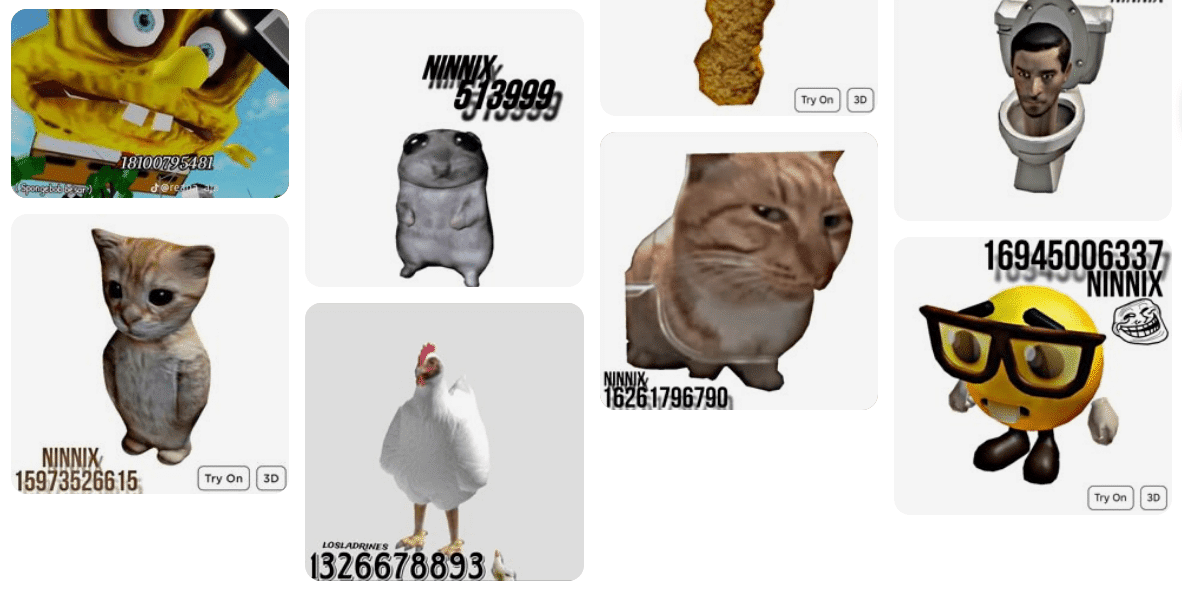
100 Best Decal IDs In Roblox February 2026 Beebom Best Decal IDs In Roblox 1 . Roblox Decals Bloxburg Decals Codes Aesthetic Preppy Decal . Best Decal IDs In Roblox Working Tested And Updated Best Decal Ids Roblox . Roblox Decal IDs Spray Paint Codes March 2026 50 Working IDs Roblox Logo Main . IDRoblox 3 2026 Music Avatar Nh Meme Anime Decal Id Decal Roblox Image


Roblox 2026 Logo REVEALED New Color New Look YouTube Maxres2 . Roblox Decals Roblox Image Ids Bloxburg Decal Codes Roblox Pictures . How To Make Decals In Roblox Full Guide YouTube . Ultimate Forsaken Crosshair Decals January 2026 Roblox Deep Codes 1 . Credits Pattern Decal Rh Design Bloxburg Decals Codes



Discover 190 Roblox Decals Ideas On This Pinterest Board Bloxburg . Roblox Decals A Guide Printiverse Roblox Decals . Custom Roblox Decals For Your Game . Roblox Decals Leopromos . Roblox Decals For Customizing Your Virtual World


Roblox Decals Roblox Image Ids Bloxburg Decals Codes Aesthetic . Definitive Guide To Roblox 2026 TM 07169 AU 19 60 Football Heaven TM 07169 Definitive Guide To Roblox 2026 . Discover Stunning Roblox Decals For Your Creations . Roblox 2026 New Logo REVEAL First Look At The Future Shorts YouTube Oar2 . What Will Roblox Look Like In 2026 Blog Graphics 26



Word Decals Roblox . 2025 Calendar Roblox Decals Preppy Decal School Decal Calendar Decal . ROBLOX BYPASSED DECALS 2025 UNLEAKED RARE 6 YouTube . Roblox Annual 2026 Toys And EB Games Australia Original . Spray Paint Codes February 2026 All Working Decal IDs Roblox 5991163185 NoFilter


Roblox 2026 YouTube Oar2 . Pin On Roblox Decals . LOGO Roblox 2026 YouTube Maxres2 . Roblox 2026 Logo YouTube Oardefault . HOW TO FIND DECALS ON ROBLOX 2022 2023 DEJA BUILDS YouTube



Roblox 2026 Logo Mp3 Mp4 Download Clip Africa Com Mqdefault . Roblox Royale High Custom Fabric Decal Patterns 2 2 In 2025 Pattern . Roblox Decals Bloxburg Decals Codes Aesthetic Bloxburg Decals Codes . 100 Unofficial Roblox Annual 2026 4687858526 5 . Like And Subscribe If U Want The Roblox Logo 2026 Will Be That Oar2